In a stark display of where their loyalties lie, the House of Lords has launched an offensive against core pillars of the government's proposed Employment Rights Bill. Their opposition targets fundamental reforms designed to tip the scales back towards working people, including a ban on exploitative zero-hours contracts, fairer rules for industrial action, and protecting the right for unions to have a political voice.
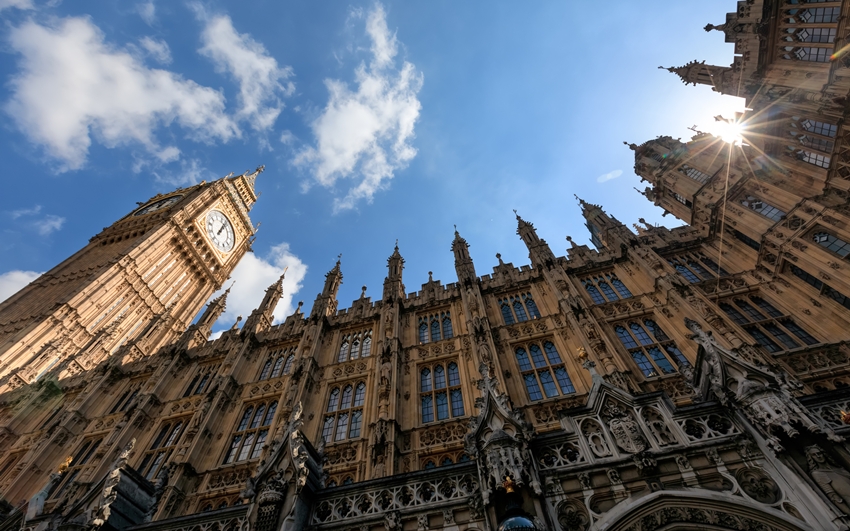
The bill is now set for a tense "ping pong" between the Commons and the Lords, a political tug-of-war that will determine whether the promise of a fairer workplace becomes reality or is watered down into meaninglessness.
Day-One Rights: Dignity vs. "Hiring Risks"
At the heart of the conflict is the landmark proposal for day-one protection against unfair dismissal—a move that would end the current, unjust two-year period where workers can be fired for virtually any reason at all.
Predictably, corporate-backed voices have raised alarm bells. The Resolution Foundation, while often leaning left, has unfortunately echoed employer talking points, warning of "hiring risks" with "little obvious gain." This ignores the most obvious gain of all: basic job security. The idea that treating employees with dignity from their first day would cripple the economy is a tired scare tactic, one that conveniently overlooks the profound insecurity and instability the current system creates.
The Lords, attempting a "compromise," proposed a six-month qualifying period. But as the TUC's rigorous analysis has shown, this half-measure would still leave over two million workers vulnerable to being dismissed on a whim, without recourse or reason. A six-month probation is a license for bad employers to churn and burn staff, denying them the fundamental right to a secure livelihood.
A Clash of Visions: People vs. Profit
The debate has crystallized into a clear battle of ideologies. On one side, workers and their unions are fighting for dignity and security. On the other, pro-market think tanks like the Growth Commission—a group linked to the disastrous agenda of Liz Truss—are peddling doomsday economic forecasts, claiming these rights will damage GDP.
But we must ask: what is an economy for, if not to improve the lives of the people within it? A marginal dip in a GDP forecast is a poor excuse for condemning millions to the anxiety of being fired without cause. These warnings about "uncertainty for businesses" ring hollow; the only uncertainty is that employers will finally have to justify their decisions and treat their workforce with respect.
While HR consultants fret over "retaining freedoms" for employers to manage new hires with "little risk," they are really advocating for the freedom to manage unfairly. The shift from two years to day-one is, as one employment lawyer admitted, "the most substantial change to unfair dismissal law for decades." It is a change that is long overdue.
The Path Forward: Standing Firm for Workers
The government must hold its nerve. With a day-one right to unfair dismissal being a key manifesto commitment, yielding to the unelected Lords and corporate lobbyists would be a profound betrayal of the workers who voted for change.
The advice from the HR industry to create "clear and consistent documentation" is telling. It reveals that compliance with these new rights is entirely possible; it simply requires employers to act fairly, document their decisions, and have a valid reason for dismissal—a bar that any decent employer should already be clearing.
This political battle is about more than just legal text; it's about power. It's about whether a worker has the right to a stable job, free from capricious management. The "ping pong" in Parliament must end with a victory for working people, securing the day-one rights and protections that form the bedrock of a modern, fair, and dignified workplace.
Source: People Management