In the annals of business jargon, few phrases carry the oppressive weight of Ray Kroc's famous edict: "If you've got time to lean, you've got time to clean." For the man who built the McDonald's empire, this was the gospel of efficiency — a mandate that any moment not spent serving a customer should be spent scrubbing a surface.
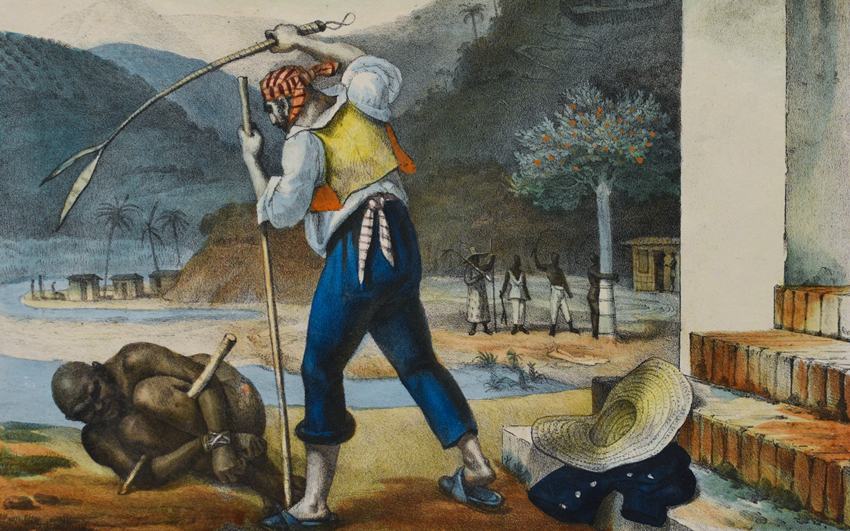
While this mantra may have built a fast-food giant across the Atlantic, its legacy in the modern British workplace is far less savoury. When viewed through the lens of contemporary management theory, the realities of the UK hospitality industry, and the ongoing fight for workers' dignity, this philosophy reveals itself to be not just outdated, but actively detrimental to worker wellbeing and a hallmark of failed leadership.
The Dehumanisation of the Workforce
At its core, Kroc's philosophy reduces employees to cogs in a machine. It operates under the assumption that a worker's only value is their constant, visible output. Any moment of rest, thought, or simply catching one's breath is framed not as a human need, but as theft — theft of time from the employer. This creates a culture of performative busyness, where looking occupied becomes more important than being effective or thoughtful .
This mindset is a direct violation of the basic dignity and autonomy of workers. It denies them the agency to manage their own time and energy. As management experts have noted, sustainable success is deeply intertwined with how companies treat their employees, viewing them as assets to develop rather than costs to control . When a manager parrots Kroc's line, they are signalling that they see their team as interchangeable parts, not as people who might need a moment to think, plan, or simply rest during a long shift.
The "Management by Stress" Trap
Beyond its dehumanising nature, Kroc's motto is a textbook example of poor people management. It operates on the same flawed principles as Taylorism or "scientific management," treating human beings as cogs in a machine rather than as assets to be developed.
This approach creates a culture of performative busyness, where looking occupied becomes more important than being effective. When a member of the catering or hospitality staff is terrified of being caught "leaning," they are not thinking about how to improve the customer experience, solve a systemic problem, or even just recharge their batteries for the next rush. This obsession with filling every moment with activity — whether productive or not — is a recognised drag on genuine workplace efficiency.
Academics studying "High-Involvement Management" (HIM) in Britain have long identified that the most positive employee outcomes — higher job satisfaction, commitment, and wellbeing — are linked to autonomy and control . The "P" of the PIRK model (Power, Information, Rewards, Knowledge) is foundational: workers need to be empowered to make decisions about how they do their jobs . Kroc's philosophy offers the antithesis of this. It is a form of "direct control" — the close supervision and monitoring of workers — which stands in stark opposition to the more effective strategy of "responsible autonomy," where management grants workers discretion to organise their tasks and trusts them to act responsibly .
The Real Cost in UK Hospitality
Nowhere is the failure of this mindset more apparent than in the UK hospitality sector, where the phrase is most often weaponised. The industry is facing a staffing crisis. Recent labour market figures show significant job losses due to economic pressures, and a large percentage of hospitality workers leave their role within the first 90 days . Burnout and understaffing are at "alarming highs," with more than half of workers citing under-resourcing as the single biggest issue impacting their wellbeing .
In this environment, treating staff with suspicion and demanding constant motion is not just insensitive; it is commercially suicidal. The data shows that team stability, driven by internal progression and a sense of being valued, is the only pathway to better retention and performance . As one industry leader put it, "look after them and they will look after you" . Kroc's approach does the opposite; it signals to employees that they are not trusted, not valued, and are merely temporary fixtures. This directly fuels the "revolving door" of staff that costs businesses thousands in recruitment and training, while chipping away at the morale of those who remain .
A Leadership Failure
Ultimately, resorting to "if you've got time to lean, you've got time to clean" is an abdication of leadership. It is a lazy manager's shortcut, a coercive tool used to exert control when one lacks the skill to inspire or engage.
Real leaders, as opposed to bosses, understand that fostering a positive workplace culture is not just an ethical imperative but an economic one. The wider social and economic benefits of treating workers with dignity — including better health outcomes, increased labour market participation, and higher productivity — are now widely recognised . The conversation in Britain is shifting towards creating "good, secure jobs" and combating the stress, depression, and anxiety that cause millions of working days to be lost every year .
Kroc's famous line belongs in a museum of 20th-century industrial thinking. In its place, British managers must embrace a new, more effective mantra: trust your team, respect their need for rest, and give them the autonomy to excel. In doing so, you might find they have less time to "lean" because they are genuinely engaged in building a better business.