“It’s Like Being Robbed”: The Hidden Toxicity of Having Your Ideas Stolen at Work – and What Must Be Done

New research reveals that ‘knowledge theft’ causes profound anger and a sense of loss, but employers have a duty to step in and restore what was taken.

You share a carefully thought-out idea in a team meeting. Days later, a colleague presents it as their own to senior leadership. You are left sitting in silence, watching your hard work benefit someone else’s career.


If this has happened to you, you are not alone – and the damage is far more than just a bruised ego. According to a new study published in the Journal of Occupational and Organizational Psychology, having your ideas stolen at work is a deeply toxic event that triggers real psychological harm, including intense anger and a profound sense of loss.

But there is good news. The same research, led by David Zweig and his team, identifies practical, worker-centred interventions that employers can – and should – use to stop the rot.

Read More

University Staff Stand Strong: Sheffield Hallam Employees Ready to Strike for Their Rights

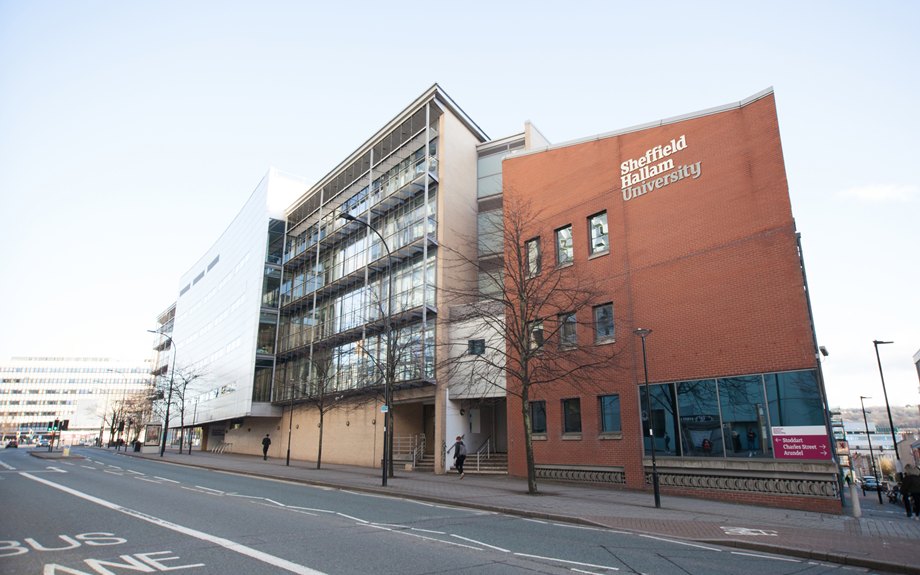
In a powerful display of collective resolve, staff at Sheffield Hallam University (SHU) have voted decisively in favour of strike action, sending an unmistakable message to university management: workers will not stand idly by while their livelihoods, pensions, and working conditions are dismantled.


The University and College Union (UCU) announced that its members have backed industrial action in response to proposed job cuts, deteriorating work conditions, and unwelcome changes to pension contributions. This is not a decision taken lightly — but it is a necessary one.

Read More

Excessive Workload Backlash: Employee About to Resign Silences Boss — ‘You Can Find a Replacement in Three Days, But My Health Won’t Recover’

A single conversation in an ordinary office has ignited a global discussion about excessive workloademployee burnout, and the fundamental right to protect one’s health.


The story, originally shared by Simon Ingari, captures a moment that millions of workers will recognise: an overworked employee finally says “enough” — and in doing so, shifts the power dynamic in a way that left the entire office speechless.

Read More

Once a Top Performer, Employee Reveals Reason His Work Quality Dropped Drastically: “I Have to Constantly, Every Moment, Work as If Someone Is Watching Me”

In a candid account that is resonating with employees across industries, a former top performer has shone a spotlight on one of the most pervasive yet underestimated workplace dysfunctions: micromanagement.


His story reveals how excessive oversight, constant monitoring, and a culture of employee surveillance can dismantle even the most dedicated worker’s drive — raising urgent questions about workers’ rights, mental health, and the true meaning of employee productivity.

Read More

Remote Work Rights Are Not a Crisis Response: Why Leaders Must Stop Resisting Flexible Work Policies in 2026

As the clock strikes 9pm in Cairo, the city dims under a strict energy curfew. Thousands of miles away in Europe, energy chief Dan Jørgensen warns of a "very serious situation" with no end in sight. The immediate policy response from global governments feels eerily familiar: mandatory work-from-home days, rolling blackouts, and fuel rationing.


Once again, the remote work policy is being deployed as a stopgap. It's a crisis lever pulled when offices cost too much to light and commuters burn too much fuel. But this cyclical, emergency-driven approach exposes a profound failure of leadership. As the world grapples with yet another crisis — be it a pandemic or an energy shock — the question workers are asking is: Why are leaders still resisting remote work as a permanent, stable right?

Read More