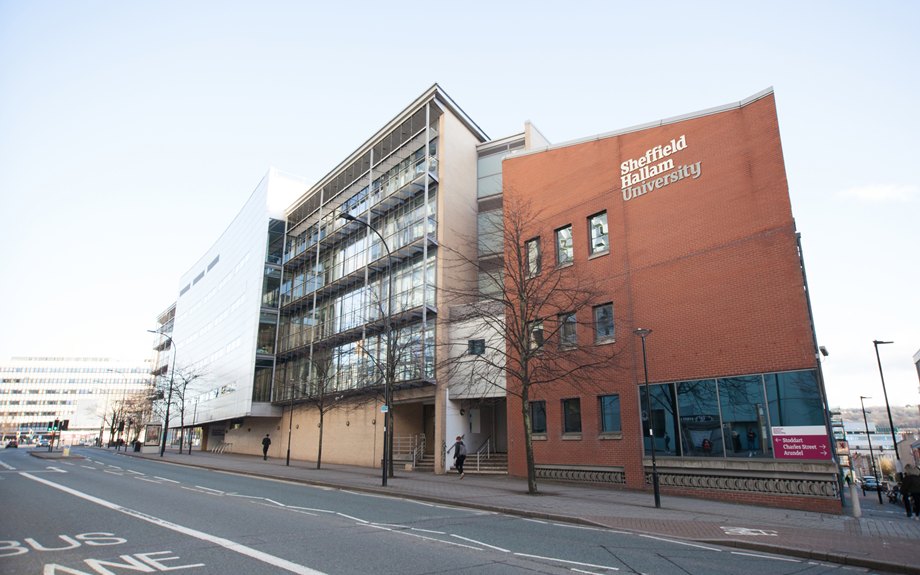
In a powerful display of collective resolve, staff at Sheffield Hallam University (SHU) have voted decisively in favour of strike action, sending an unmistakable message to university management: workers will not stand idly by while their livelihoods, pensions, and working conditions are dismantled.
The University and College Union (UCU) announced that its members have backed industrial action in response to proposed job cuts, deteriorating work conditions, and unwelcome changes to pension contributions. This is not a decision taken lightly — but it is a necessary one.
'Managed Decline' Meets Organized Resistance
UCU members are pushing back against what they rightly describe as a "managed decline" strategy — a corporate-style approach that prioritizes cost-cutting over people, and that threatens to worsen working conditions while simultaneously undermining the quality of education students receive. When staff are overworked, undervalued, and worried about their financial futures, students suffer too.
The union has previously warned that approximately 130 jobs could be eliminated as part of the university's attempt to save nearly £27 million. Behind that cold figure are real people — dedicated academics, researchers, and professional services staff who have devoted their careers to educating students and keeping the institution running. For those who remain, the inevitable result would be crushing workloads and mounting pressure.
A History of Resistance
This is not the first time SHU staff have been forced to take a stand. Workers at the university have participated in strike action multiple times in recent years, including walkouts in 2024 and 2025. That pattern tells a clear story: management continues to push austerity measures, and workers continue to refuse to accept them.
Across the city, colleagues at the University of Sheffield have also taken industrial action multiple times over the same core issues — pay, pensions, workloads, and redundancies. Those staff members are currently on strike until May 14. Solidarity across institutions matters, and Sheffield's university workers are demonstrating exactly that.
The University's Response Falls Flat
SHU has responded that it is "disappointed" by the strike ballot result and promises to "do everything possible" to minimize impact on students. But this framing misses the point entirely. The disruption to students is not caused by workers defending their rights — it is caused by management's refusal to negotiate in good faith and address the legitimate concerns of its employees.
The university points out that it has so far avoided compulsory redundancies through "significant savings." But workers know that today's voluntary measures often become tomorrow's mandatory cuts. And the threat of 130 job losses hangs in the air regardless.
What Workers Are Demanding
The UCU's position is clear and reasonable: they want the university's executive board to enter "meaningful negotiation." That is not a radical demand. It is the bare minimum of workplace democracy.
As the union stated plainly, "UCU members are prepared to take substantial strike action to obtain a better deal for academic and research staff, and secure a better future for the university and its students." Note those last five words — "and its students." This fight is not just about worker paychecks. It is about the quality of education, the future of the institution, and the principle that universities should be places of learning and collaboration, not corporate cost-cutting.
A Stable Future Built on Fairness
SHU claims it is "focused on securing a stable future" for the university. But stability built on the backs of overworked, underpaid, and fearful staff is not stability at all — it is a house of cards. True stability comes from treating workers with respect, compensating them fairly, protecting their pensions, and involving them in decisions that affect their professional lives.
The university acknowledges that the financial picture for higher education is challenging. But workers did not create that crisis, and they should not be the ones forced to bear its costs. Austerity is a choice — one that management is making, and one that workers have every right to resist.
The Bottom Line
Strike action is never a first resort — it is a last resort — a tool workers turn to only when dialogue has failed and their livelihoods are on the line. The fact that SHU staff have repeatedly found themselves at this point should concern everyone who cares about the future of higher education.
The message from Sheffield Hallam's workforce is loud and clear: they are prepared to walk out, stand together, and withhold their labor if that's what it takes to win a fair deal. That is not recklessness — that is courage. And it is exactly the kind of organized, collective action that has won workers their rights for generations.
University management would be wise to return to the negotiating table in good faith — before the strike deadline, not after. Because if past is prologue, these workers have shown they will not back down.
Source: BBC